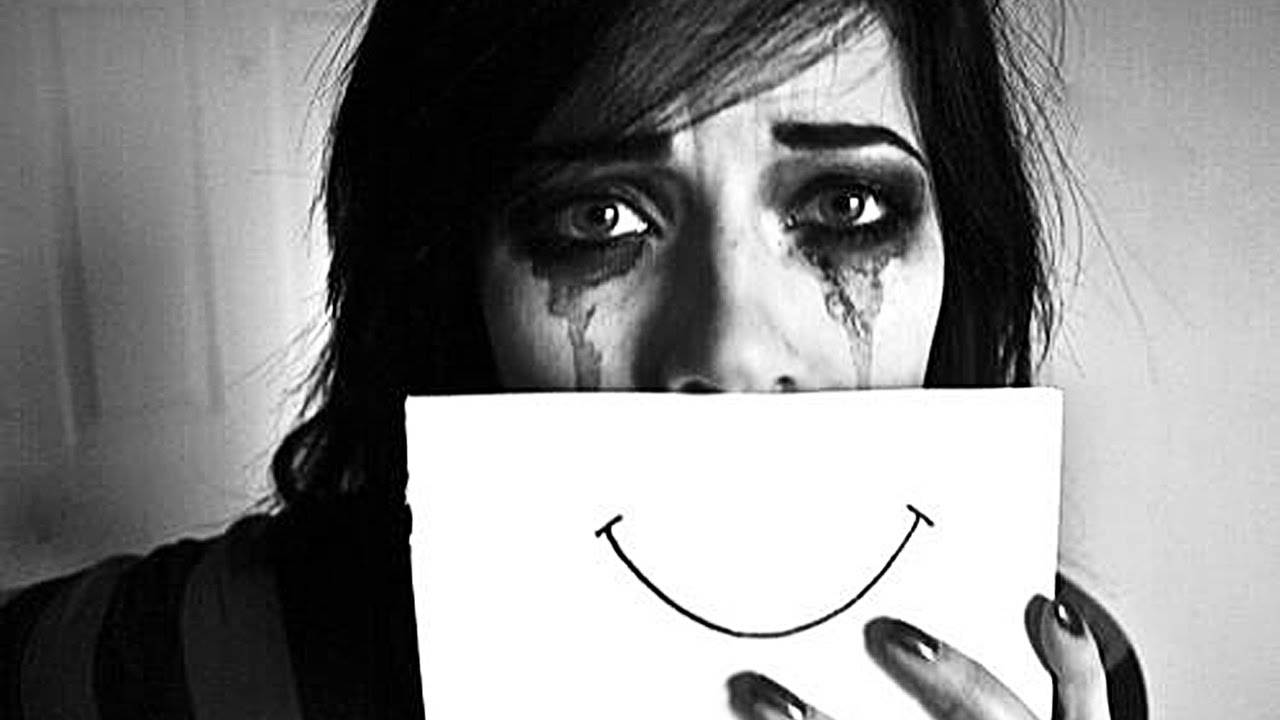
It causes feelings of sadness,and loss of interest in the activities we onced enjoyed. It leads to a variety of emotional and physical problems that decreases a persons ability to work and think. It holds a tight grip over the person and in extreme cases leads to activities like suicides, hence, divastating the person itself and all the others associated with him.
SYMPTOMS
The symptoms can vary from mild to severe and can include the followoing:- Feeling sad or having a depessed mood.
- Loss of interest in the activities onced enjoyed.
- Hanges in appetite-weight loss or gain unrelated to dieting.
- Trouble in sleeping or sleeping too much.
TYPES OF DEPRESSION
Depressive disorders come in many different types, and while there are many similarities to each type of depression, each has its own unique set of symptoms.
The most commonly diagnosed form of depression is Major Depressive Disorder, a condition whose primary symptom is an overwhelming depressed mood for more than two weeks. The depressed mood affects all facets of the person's life, including work, home life, relationships and friendships. A person with this kind of depression often finds it difficult to do much of anything or get motivated, so even going to seek treatment for this condition can be challenging.
Another type of depression is called dysthymia. Dysthymia is similar to Major Depressive Disorder, but the symptoms occur over a much longer period of time more than 2 years. This is considered a chronic form of depression, and treatment can be challenging as an individual with Dysthymia has often already tried all manner of treatment. Individuals diagnosed with this condition can also suffer from occasional bouts of Major Depressive Disorder.
A third type of depression is referred to as Adjustment Disorder with Depressed Mood. This condition is diagnosed when a person is adjusting to some new facet or change in their lives that has caused a great deal of stress. This disorder can even be diagnosed when a person is experiencing a good event in their life:such as a new marriage or a baby being born. Because the individual usually just needs a little additional support in their lives during this stressful time, treatment is time-limited and simple.
Depression is also a symptom of other disorders, such as Bipolar disorder. Bipolar disorder is sometimes considered a mood disorder, but is not a form of depression. Bipolar disorder is characterized by swings of a person's mood from depression to mania (mania is when a person is feeling lots of energy, like they are on top of the world and can do almost anything, often trying to do just that). The cycling mood changes from severe highs (mania) and lows (depression) can sometimes be dramatic and rapid in some people, but most often they are gradual.


DEPRESSION AMONG CHILDREN
The symptoms of depression in children vary. It is often undiagnosed and untreated because they are passed off as normal emotional and psychological changes that occur during growth. Early medical studies focused on "masked" depression, where a child's depressed mood was evidenced by acting out or angry behavior. While this does occur, particularly in younger children, many children display sadness or low mood similar to adults who are depressed. The primary symptoms of depression revolve around sadness, a feeling of hopelessness, and mood changes.
Depression is significantly more common in boys under age 10. But by age 16, girls have a greater incidence of depression.
CAUSE OF DEPRESSION IN CHILDREN
As in adults, depression in children can be caused by any combination of factors that relate to physical health, life events, family history, environment, genetic vulnerability and biochemical disturbance.mostly it is seen that children having some family history like separation of parents or tragic death of any family member are more vulnerable to depression.also bulleying in school,low grades and humilation can lead to depression
CAUSE OF DEPRESSION AMONG TEENAGERS
More commonly referred to as teenage depression, this mental and emotional disorder is no different medically from adult depression. However, symptoms in teens may manifest themselves in different ways than in adults due to the different social and developmental challenges facing teens. These include:
peer pressure
sports
changing hormone levels
developing bodies
Depression is associated with high levels of stress, anxiety, and in the worst possible scenarios, suicide. It can also affect a teen’s:
personal life
school life
work life
social life
family life
This can lead to social isolation and other problems.
SYMPTOMS
appearing sad, irritable, or tearful
changes in appetite or weight
a decreased interest in activities your child once found pleasurable
a decrease in energy
difficulty concentrating
feelings of guilt, worthlessness, or helplessness
major changes in sleeping habits
regular complaints of boredom
talk of suicide
withdrawal from friends or after-school activities
worsening school performance
WHAT CAUSES DEPRESSION IN TEENAGERS
DIFFERENCES IN BRAIN
Research has shown that the brains of adolescents are structurally different than the brains of adults. Teens with depression can also have hormone differences and different levels of neurotransmitters. Neurotransmitters are key chemicals in the brain that affect how brain cells communicate with one another and play an important role in regulating moods and behavior.
Traumatic Early Life Events
Most children don’t have well-developed coping mechanisms. A traumatic event can leave a lasting impression. Loss of a parent or physical, emotional, or sexual abuse can leave lasting effects on a child’s brain that could contribute to depression.
Learned Patterns of Negative Thinking
Teens regularly exposed to pessimistic thinking, especially from their parents, and who learn to feel helpless instead of how to overcome challenges, can also develop depression.
DEPRESSION DURIND 20
Being a 20-something isn't easy. On the one hand, the period between ages 18 and 29 is the best ever. It's that time when you get to develop a sense of independence in college, start a new job, scout out the dating scene, or head off to new cities. On the other hand, it's a time often characterized by financial debt, romantic misadventures, loneliness, and a sense of uncertainty about who we are and why we’re here. So it’s not surprising that people in their late teens and 20s are especially vulnerable to feelings of depression.the period between 18 and 29 is filled with potential losses: breaking up with a significant other, losing friends, losing a job, failing school or not getting into an academic program, and realizing our dream career plans just might not work out. The 20s, Jay says, are a time of uncertainty, which can leave people feeling powerless to change their lives.
DEPRESSION DURIND OLD AGE
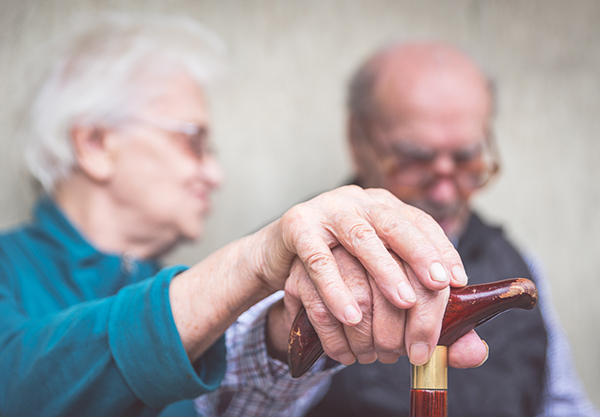
The elderly population is large in general and growing due to advancement of health care education. These people are faced with numerous physical, psychological and social role changes that challenge their sense of self and capacity to live happily. Many people experience loneliness and depression in old age, either as a result of living alone or due to lack of close family ties and reduced connections with their culture of origin, which results in an inability to actively participate in the community activities. With advancing age, it is inevitable that people lose connection with their friendship networks and that they find it more difficult to initiate new friendships and to belong to new networks.
Most of the elderly people were found to be average in the dimension of sociability and preferred remaining engaged in social interactions. The implications of the study are discussed in the article.